

Bloglarımız
Poppy Fertilization Schedule and Use of Vermicompost

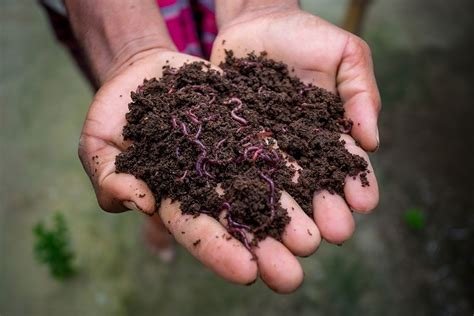
Learn the poppy fertilization schedule and how to use vermicompost for optimal growth. Choose the right fertilizer, make vermicompost, and troubleshoot issues.Poppy Fertilization is a crucial aspect of cultivating healthy and vibrant poppy plants. Understanding the right fertilization techniques and the use of vermicompost can greatly improve the growth and overall quality of your poppy flowers. In this blog post, we will delve into the various subheadings that will guide you through the process of creating a successful fertilization schedule and incorporating vermicompost into your poppy garden. From understanding the importance of vermicompost to troubleshooting fertilization issues, this post will provide you with the essential knowledge and tips to ensure your poppies thrive. Whether you’re a beginner or an experienced gardener, this comprehensive guide will help you make informed decisions about your poppy fertilization and vermicompost practices. So, let’s embark on this journey to learn more about the best practices for poppy fertilization and the benefits of using vermicompost.
Understanding Poppy Fertilization
When it comes to poppy cultivation, proper fertilization is essential for ensuring healthy, vibrant blooms. Understanding the specific fertilization needs of poppies is crucial for successful growth and flowering. With the right fertilization schedule and the use of vermicompost, you can maximize the health and beauty of your poppy plants.
First and foremost, it’s important to choose the right fertilizer for your poppies. Poppies thrive in well-draining, nutrient-rich soil, so a balanced fertilizer with equal parts of nitrogen, phosphorus, and potassium is ideal. Look for a fertilizer with an N-P-K ratio of 10-10-10 or similar to provide the essential nutrients for healthy poppy growth.
Once you have chosen the right fertilizer, applying it correctly is crucial for success. The fertilizer should be spread evenly around the base of the poppy plants, avoiding direct contact with the stems or leaves. Water the soil thoroughly after fertilizer application to ensure that the nutrients are absorbed effectively by the roots.
In addition to traditional fertilizers, incorporating vermicompost into the soil can provide numerous benefits for poppy plants. Vermicompost is a nutrient-rich organic material produced by earthworms, and it can improve soil structure, increase microbial activity, and enhance nutrient availability for poppies. Making your own vermicompost or purchasing it from a trusted source can greatly benefit the health and vitality of your poppy plants.
By understanding the specific fertilization needs of poppies and incorporating vermicompost into the soil, you can ensure that your poppy plants receive the essential nutrients they require for robust growth and prolific flowering.
Choosing the Right Fertilizer
When it comes to choosing the right fertilizer for your poppy plants, it’s important to consider their specific needs and the soil conditions in which they will be growing. Poppies typically thrive in well-draining soil with a slightly acidic to neutral pH, so it’s essential to select a fertilizer that will support these requirements. Additionally, poppies are heavy feeders, meaning they require a steady supply of nutrients to support their growth and blooming.
One of the most important factors to consider when choosing the right fertilizer is the nitrogen-phosphorus-potassium (NPK) ratio. For poppies, a fertilizer with a higher phosphorus content is ideal, as this nutrient is crucial for promoting healthy root development and vibrant blooming. Look for a fertilizer with an NPK ratio of 5-10-10 or similar, which will provide the phosphorus poppies need without an excess of nitrogen that can promote lush foliage at the expense of flowers.
Organic fertilizers are also a great option for poppies, as they contain natural ingredients that are beneficial for both the plants and the soil. Compost-based fertilizers, such as those containing vermicompost, are particularly advantageous for poppies. Vermicompost is rich in nutrients and beneficial microorganisms that can improve soil structure and fertility, providing a sustainable and eco-friendly option for choosing the right fertilizer for your poppies.
In addition to considering the nutrient content and composition of the fertilizer, it’s important to think about the method of application. Look for a fertilizer that is well-suited for use in a garden or outdoor setting, as poppies are typically grown in open beds or containers rather than indoor environments. Consider the specific needs of your poppy plants, as well as the environmental impact and long-term effects of the fertilizer, when choosing the right fertilizer for your gardening needs.
Applying Fertilizer Correctly
When it comes to applying fertilizer to your poppies, it’s important to do so correctly in order to ensure the health and growth of your plants. One of the first steps in this process is choosing the right type of fertilizer for your poppies. Understanding the specific nutrient requirements of poppies will help you make an informed decision about which fertilizer to use.
Once you have selected the appropriate fertilizer, the next step is to apply it correctly. You should carefully follow the instructions provided on the fertilizer packaging, as over-fertilizing your poppies can be detrimental to their health. Additionally, it’s essential to evenly distribute the fertilizer to ensure that all of your plants receive the necessary nutrients.
Another key aspect of applying fertilizer correctly is timing. It’s important to apply fertilizer at the right time in your poppies’ growth cycle in order to maximize its benefits. For example, applying fertilizer during the vegetative stage can help promote healthy leaf growth, while fertilizing during the flowering stage can contribute to big, beautiful blooms.
Incorporating vermicompost into your soil is another effective way of applying fertilizer correctly. Vermicompost is a nutrient-rich, organic fertilizer that can greatly benefit your poppies. It’s important to carefully mix the vermicompost into the soil to ensure that it is well-distributed and will provide your plants with the necessary nutrients.
By applying fertilizer correctly, whether it’s through traditional fertilizer or vermicompost, you can ensure the health and vitality of your poppies, promoting strong growth and vibrant blooms.
The Importance of Vermicompost
Vermicompost is an essential component in maintaining the health and vitality of your poppy plants. This nutrient-rich organic fertilizer is produced through the process of composting organic materials with the help of earthworms, resulting in a potent mixture that is beneficial for the growth of your poppies.
One of the key benefits of vermicompost is its ability to improve soil structure and aeration, allowing the roots of your poppy plants to access vital nutrients and water more effectively. Additionally, vermicompost helps to stimulate microbial activity in the soil, which in turn aids in nutrient uptake by your poppies.
By incorporating vermicompost into the soil, you are also supporting the long-term health of your poppy plants, as it promotes disease resistance and overall plant vigor. This can be particularly useful in preventing common issues such as root rot and wilting, ensuring that your poppies thrive throughout their growth cycle.
Furthermore, vermicompost is an environmentally friendly option for fertilizing your poppies, as it reduces the need for synthetic fertilizers that can have negative impacts on the ecosystem. This sustainable approach to gardening aligns with the principles of organic and eco-friendly practices, providing a natural and effective solution for promoting the growth of your poppies.
In summary, the importance of vermicompost cannot be underestimated when it comes to maintaining the health and vitality of your poppy plants. Its ability to improve soil structure, promote disease resistance, and support sustainable gardening practices makes it a valuable asset for any poppy enthusiast seeking to enhance the growth and overall well-being of their plants.
Making Your Own Vermicompost
One of the best ways to ensure a constant supply of high-quality vermicompost for your poppy plants is to make your own at home. This process is relatively easy and requires minimal effort, but the benefits for your garden are significant.
Start by setting up a vermicomposting bin in a convenient location in your home or garden. You can use a simple plastic or wooden container and drill small holes in the bottom for aeration. Layer the bottom with bedding materials such as shredded newspaper, cardboard, or coconut coir to provide a comfortable environment for the worms.
Next, add a population of red worms to the bin and introduce food scraps, such as fruit and vegetable peelings, coffee grounds, and eggshells, regularly. The worms will consume the organic matter and produce nutrient-rich castings, which can be harvested and used as vermicompost for your poppy plants.
Regularly monitor the moisture levels and temperature of the vermicompost to ensure that the worms are thriving and the decomposition process is occurring effectively. With proper maintenance, you can continue to produce a steady supply of vermicompost to support the healthy growth of your poppy plants.
Incorporating Vermicompost into Soil
When it comes to improving the quality of your soil for better Poppy growth, incorporating vermicompost can be a game changer. Vermicompost is a nutrient-rich, organic fertilizer that is produced by earthworms breaking down organic matter. This process creates a powerful soil amendment that can significantly boost the health and vitality of your Poppy plants.
One of the key benefits of using vermicompost is that it helps to improve soil structure and fertility. It enhances aeration and water retention in the soil, which is essential for promoting healthy root growth in Poppies. The diverse array of microorganisms found in vermicompost also play a crucial role in breaking down nutrients and making them more readily available to plants.
When incorporating vermicompost into your soil, it’s important to do so in a way that maximizes its benefits. This can be achieved by mixing the vermicompost thoroughly into the soil at the root level of the Poppy plants. It’s also important to ensure that the vermicompost is well-aged and matured before application, as this will help to prevent any potential issues with composting heat or nutrient release.
Additionally, incorporating vermicompost into your soil can be part of a larger, holistic fertilization schedule for your Poppies. By regularly adding vermicompost to your soil, you can provide a steady supply of nutrients and organic matter that will support healthy and vigorous Poppy growth throughout the growing season. This approach can help to create a balanced and sustainable system for nurturing your Poppy plants and ensuring their long-term health and productivity.
Benefits of Vermicompost for Poppies
When it comes to the cultivation of poppies, using vermicompost can offer several benefits. Vermicompost, also known as worm castings, is a nutrient-rich organic fertilizer that is created by worms breaking down organic matter such as food scraps and yard waste. This natural fertilizer is packed with essential nutrients and beneficial microorganisms that can greatly enhance the growth and health of poppy plants.
One of the main benefits of using vermicompost for poppies is its ability to improve soil structure. When added to the soil, vermicompost helps to create a healthy and balanced soil environment that promotes strong root development and overall plant growth. The rich organic matter in vermicompost also helps to retain moisture in the soil, reducing the need for frequent watering and promoting drought resistance in poppy plants.
In addition to improving soil structure, vermicompost also provides a slow release of nutrients that are essential for the healthy growth of poppies. The diverse array of nutrients in vermicompost, including nitrogen, phosphorus, potassium, and micronutrients, ensure that poppy plants receive a steady supply of nourishment throughout their growth cycle. This can result in stronger, more vigorous plants with lusher foliage and more vibrant blooms.
Furthermore, the use of vermicompost can contribute to the overall sustainability of poppy cultivation. By recycling organic waste materials into a valuable fertilizer, gardeners can reduce their reliance on synthetic fertilizers and minimize the environmental impact of their gardening practices. This makes vermicompost an eco-friendly and cost-effective option for nourishing poppies and promoting a healthy, thriving garden ecosystem.
Creating a Fertilization Schedule
Creating a fertilization schedule is an essential part of maintaining the health and growth of your poppy plants. Without a proper schedule, it’s easy to over or under fertilize, which can lead to stunted growth or nutrient deficiencies. To begin, it’s important to understand the specific nutrient needs of poppies. Poppies typically require a balanced fertilizer high in phosphorus, such as a 10-10-10 blend. This ensures strong root development and vibrant blooms.
Next, consider the stage of growth your poppies are in. During the early growth stages, use a lower nitrogen fertilizer to promote healthy root development. As the plants begin to bloom, switch to a higher nitrogen fertilizer to support flower production. Create a calendar outlining when to apply fertilizer based on the specific needs of your poppies.
When creating your schedule, also take into account the use of vermicompost. Vermicompost is an excellent organic fertilizer that provides a slow release of nutrients, improving soil structure and promoting microbial activity. Incorporate vermicompost into your fertilization schedule by top dressing the soil with a layer of compost before planting, and then adding additional compost as a side dressing after the plants have established.
Finally, monitor the health and growth of your poppies regularly to ensure your fertilization schedule is meeting their needs. Look for signs of nutrient deficiencies, such as yellowing leaves or stunted growth, and adjust your schedule accordingly. A well-planned fertilization schedule will help you achieve healthy, vibrant poppy plants.
Monitoring Poppy Growth and Health
When it comes to monitoring poppy growth and health, it’s important to keep a close eye on several key factors to ensure the success of your poppy plants. One of the first things to pay attention to is the overall size and appearance of the poppy plants. Poppies should be growing steadily in size and displaying vibrant, healthy leaves.
Another important aspect of monitoring poppy growth and health is to keep track of any potential pest or disease issues. Poppies are susceptible to certain pests and diseases, so it’s crucial to catch any issues early on and take the necessary steps to address them.
In addition to visual inspections, it’s also helpful to keep a record of your poppy plants’ growth and health over time. This can help you identify any patterns or trends that may indicate potential issues with your fertilization or overall plant care.
Finally, it’s important to consider the impact of your fertilization schedule on poppy growth and health. By keeping detailed records of when and how you apply fertilizers, you can make informed decisions about any necessary adjustments to optimize the health and growth of your poppy plants.
| Factors to Monitor | Monitoring Methods |
|---|---|
| Plant size and appearance | Visual inspections |
| Pest and disease issues | Regular checks and record-keeping |
| Growth and health patterns over time | Record-keeping and analysis |
| Impact of fertilization schedule | Detailed fertilization records |
Troubleshooting Fertilization Issues
When it comes to fostering healthy growth in poppies, proper fertilization is key. However, even with all of the right steps in place, issues can still arise. It’s important to be able to identify and address these problems in a timely manner to ensure the continued health and vitality of your poppy plants.
One common issue that may arise during fertilization is nutrient deficiency. If your poppies are not receiving the proper balance of nutrients, they may begin to show signs of distress. This can manifest as stunted growth, discolored leaves, or a general lack of vigor. Using a high-quality fertilizer that is well-balanced in essential nutrients can help to rectify this issue.
In some cases, you may find that your poppies are exhibiting signs of over-fertilization. This can be just as detrimental to their health as nutrient deficiency. Over-fertilization can cause the roots of your poppies to become burned, leading to wilting, yellowing leaves, and even the death of the plant. It’s important to carefully follow the recommended dosing instructions on your chosen fertilizer, and to avoid excessive use.
Another potential issue to watch for is nutrient lockout. This occurs when the soil becomes imbalanced due to an excess of certain nutrients, causing other essential nutrients to become unavailable to the plant. To address this, be sure to regularly test the pH levels of your soil, and make adjustments as necessary to restore balance. Using vermicompost can also help to naturally regulate the pH of your soil, promoting optimal nutrient absorption for your poppies.
Lastly, if you are still struggling to identify the cause of your poppy’s distress, it may be beneficial to consult with a gardening expert. They can help to analyze your plants and soil, and offer targeted advice on how to address any fertilization or nutrient-related issues that may be affecting your poppies.
Frequently Asked Questions
It is best to fertilize poppy plants in early spring, just before they begin to grow.A balanced fertilizer with a ratio of 10-10-10 or 5-10-5 is ideal for poppy plants.Yes, vermicompost is an excellent organic fertilizer for poppies, as it provides essential nutrients and improves soil structure.Fertilize poppy plants every 4-6 weeks during their growing season, but be sure not to over-fertilize.Once poppy plants are established, fertilizing once a year in the spring is usually sufficient.Yes, you can easily make vermicompost at home using a compost bin and earthworms. It's a great way to recycle kitchen scraps and create nutrient-rich fertilizer for your poppies.Yes, you can also use organic fertilizers such as fish emulsion, bone meal, or compost to nourish your poppy plants.